Industrial gas and steam turbines operate under extreme temperatures, pressure, and demanding conditions. Among the many critical components that keep these systems running efficiently, fuel nozzles play a vital role in delivering the correct fuel-air mixture for stable combustion. Even minor wear or contamination can affect combustion quality, reduce efficiency, and increase emissions.
Investing in fuel nozzle repair services helps power plants and industrial facilities restore nozzle performance before small issues develop into expensive failures. Regular inspections and professional repairs improve reliability, reduce operational risks, and extend the service life of valuable turbine components.
This guide explains why fuel nozzle repair matters, the warning signs of damage, the repair process, and the long-term benefits of maintaining these essential components.
Understanding the Role of Fuel Nozzles
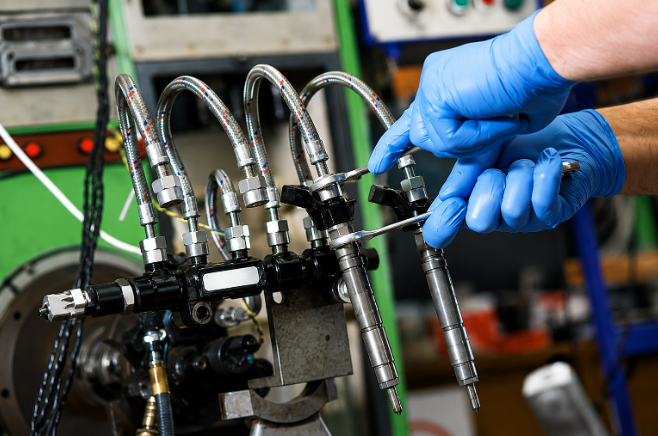
Fuel nozzles are responsible for delivering fuel into the combustion chamber in a controlled spray pattern. Proper atomization ensures complete combustion, stable flame characteristics, and optimal turbine performance.
Because fuel nozzles operate continuously under high temperatures, they experience gradual wear over time. Exposure to contaminants, corrosion, thermal cycling, and carbon deposits can reduce their effectiveness and negatively impact overall turbine efficiency.
Whether installed in gas turbines or steam-assisted combustion systems, well-maintained fuel nozzles contribute to consistent energy production and reliable equipment operation.
See also: Vehicle AC Compressor: The Key to Reliable Cooling in Driving Conditions
Common Causes of Fuel Nozzle Damage
Several operating conditions contribute to nozzle deterioration.
Carbon Build-Up
Combustion byproducts gradually accumulate inside nozzle passages. Carbon deposits restrict fuel flow and alter spray patterns, resulting in incomplete combustion.
Thermal Stress
Repeated heating and cooling cycles create expansion and contraction within the nozzle material. Over time, these stresses may lead to cracks, distortion, or weakened structural integrity.
Corrosion
Moisture, fuel contaminants, and harsh operating environments can cause corrosion on internal and external surfaces, reducing performance and component lifespan.
Erosion
High-velocity fuel flow and airborne particles gradually wear precision openings, changing fuel distribution characteristics.
Mechanical Damage
Improper handling during installation, maintenance, or transportation may damage nozzle tips or sealing surfaces.
Warning Signs That Repairs Are Needed
Identifying early symptoms allows maintenance teams to address problems before significant failures occur.
Some common warning signs include:
- Increased fuel consumption
- Reduced turbine efficiency
- Higher combustion emissions
- Uneven flame patterns
- Excessive vibration
- Difficulty starting the turbine
- Combustion instability
- Unexpected shutdowns
- Elevated operating temperatures
Ignoring these indicators can lead to larger equipment failures and extended downtime.
The Professional Repair Process
Quality repairs involve much more than simple cleaning. A structured repair process restores the component to meet original performance standards.
Initial Inspection
Technicians carefully examine each nozzle for visible damage, wear, corrosion, and contamination.
Advanced inspection methods may include:
- Dimensional measurements
- Borescope inspections
- Flow testing
- Crack detection
- Surface evaluation
Accurate diagnostics determine whether repair or replacement is the best option.
Cleaning
Specialized cleaning removes carbon deposits, varnish, and contaminants without damaging precision internal passages.
Cleaning methods may include:
- Ultrasonic cleaning
- Chemical cleaning
- Precision flushing
- Controlled abrasive cleaning
Proper cleaning restores unrestricted fuel flow.
Component Restoration
Damaged areas are repaired using approved engineering techniques. Depending on the nozzle design, repairs may include machining, welding, coating restoration, or replacing worn internal components.
Professional fuel nozzle maintenance also helps identify additional wear before it affects turbine reliability.
Performance Testing
Every repaired nozzle undergoes comprehensive testing to verify:
- Correct flow rate
- Spray pattern consistency
- Pressure performance
- Leakage prevention
- Dimensional accuracy
Testing ensures the repaired nozzle performs according to manufacturer specifications.
Benefits of Timely Repairs
Repairing fuel nozzles before severe damage develops provides numerous operational advantages.
Improved Combustion Efficiency
Proper fuel distribution produces more complete combustion, allowing turbines to generate power more efficiently while consuming less fuel.
Reduced Operating Costs
Efficient combustion lowers fuel consumption and minimizes unnecessary maintenance expenses caused by secondary equipment damage.
Lower Emissions
Correct spray patterns reduce incomplete combustion, helping facilities meet environmental regulations while lowering NOx and carbon emissions.
Greater Equipment Reliability
Reliable fuel delivery minimizes combustion instability and reduces unexpected shutdowns.
Longer Component Life
Professional repairs restore performance while extending the usable life of expensive turbine components.
Reduced Downtime
Scheduled maintenance minimizes emergency repairs and improves operational planning.
Importance of Preventive Maintenance
Waiting until a nozzle fails often results in larger maintenance costs and production interruptions. A preventive maintenance program should include:
- Scheduled inspections
- Flow testing
- Performance monitoring
- Combustion analysis
- Cleaning during planned outages
- Documentation of wear history
Routine inspections help identify gradual deterioration before operational performance declines.
Maintenance schedules should always follow equipment manufacturer recommendations and actual operating conditions.
Repair Versus Replacement
Many facilities assume damaged fuel nozzles require complete replacement. However, this is not always the most economical solution.
Professional repair often restores performance at a lower overall cost while maintaining high quality standards.
Replacement may become necessary when:
- Cracks exceed repair limits
- Severe erosion changes component geometry
- Structural integrity is compromised
- Repair costs exceed replacement value
- Components have reached maximum service life
An experienced repair provider evaluates each nozzle individually before recommending the most practical solution.
Applications Across Multiple Industries
Fuel nozzle repair supports many industries that depend on reliable turbine operation.
Common applications include:
- Power generation facilities
- Combined cycle power plants
- Industrial manufacturing
- Petrochemical plants
- Oil and gas operations
- Refineries
- Marine power systems
- Utility companies
Each industry depends on consistent combustion performance to maintain productivity and equipment reliability.
Specialized Solutions for Turbine Systems
Different turbine configurations require specialized repair procedures.
Professional turbine fuel nozzle repair addresses the unique operating conditions found in industrial gas turbines, ensuring proper combustion characteristics after restoration.
Similarly, steam turbine fuel nozzle repair supports facilities using steam-assisted combustion systems where precision fuel delivery remains essential for stable operation.
Using repair methods tailored to each turbine design helps maximize long-term reliability.
Choosing the Right Repair Provider
Selecting an experienced repair company significantly affects repair quality and equipment performance. Consider providers that offer:
- Experienced engineering teams
- Advanced inspection equipment
- Precision cleaning technology
- Certified repair procedures
- Quality assurance testing
- Detailed inspection reports
- Fast turnaround times
- Industry compliance standards
- Proven turbine expertise
Working with knowledgeable specialists helps ensure repairs meet strict performance requirements.
Best Practices for Long-Term Performance
Organizations can improve fuel nozzle longevity by following several maintenance best practices. Recommended practices include:
- Maintain clean fuel systems
- Monitor combustion performance regularly
- Schedule routine inspections
- Replace damaged seals promptly
- Keep accurate maintenance records
- Perform testing during outages
- Address abnormal operating conditions immediately
- Train maintenance personnel on inspection procedures
Preventive maintenance consistently delivers better long-term reliability than reactive repairs.
Conclusion
Fuel nozzles are small components with a major impact on turbine efficiency, combustion stability, emissions, and operational reliability. Delaying maintenance increases the risk of reduced performance, costly downtime, and premature equipment failure.
Investing in fuel nozzle repair services allows facilities to restore combustion efficiency, improve equipment reliability, and extend component life while reducing long-term operating costs. By combining routine inspections, professional repairs, and preventive maintenance practices, organizations can keep their turbines operating safely and efficiently for years to come.