A comfortable cabin is more than a luxury when driving in Australia’s changing climate. From hot summer afternoons to long regional road trips, a properly functioning vehicle AC compressor plays a vital role in keeping your air conditioning system operating efficiently. Without it, your vehicle’s cooling system cannot circulate refrigerant or maintain the comfortable temperatures drivers expect.
Whether you own a passenger car, SUV, ute, or commercial vehicle, understanding how the compressor works can help you recognise early warning signs of trouble and extend the life of your air conditioning system. This guide explains its function, common issues, maintenance tips, and why regular servicing matters.
What Is a Vehicle AC Compressor?
The vehicle ac compressor is often described as the heart of the automotive air conditioning system. It compresses refrigerant gas into a high-pressure state before sending it through the condenser, where heat is released. The refrigerant then continues through the rest of the system, eventually producing cool air inside the cabin.
Powered by the engine through a drive belt or by an electric motor in some hybrid and electric vehicles, the compressor continuously circulates refrigerant whenever the air conditioning is operating. Without this essential component, the cooling cycle cannot function effectively.
See also: Roof Lights for Pitched Roofs: A Practical Way to Brighten and Improve Your Home
How an Automotive Air Conditioning System Works
To understand the importance of the compressor, it helps to know the basic cooling process.
Compression
The compressor draws low-pressure refrigerant gas from the evaporator and compresses it into a high-pressure, high-temperature gas.
Heat Removal
The compressed refrigerant travels to the condenser, where outside air removes heat and transforms the gas into a liquid.
Expansion
The liquid refrigerant passes through an expansion valve, reducing its pressure and temperature.
Cooling
Inside the evaporator, the refrigerant absorbs heat from the cabin air before returning to the compressor to repeat the cycle. Every stage depends on proper compressor performance.
Why the Compressor Is So Important
The compressor performs several essential functions within the air conditioning system.
Maintains Refrigerant Circulation
It keeps refrigerant moving continuously through the system.
Creates Cooling Pressure
Compression produces the pressure difference needed for effective cooling.
Supports Cabin Comfort
A healthy compressor ensures consistent cold air reaches the cabin.
Improves Driving Experience
Comfortable cabin temperatures reduce driver fatigue during long journeys.
Common Causes of Compressor Failure
Although compressors are built for durability, several factors can reduce their lifespan.
Low Refrigerant Levels
Insufficient refrigerant reduces lubrication and increases wear on internal components.
Lack of Lubrication
The refrigerant carries compressor oil throughout the system. Low oil levels can cause excessive friction.
Contaminated System
Moisture, dirt, or metal debris can damage internal moving parts.
Electrical Problems
Faulty sensors, damaged wiring, or failed compressor clutches may prevent operation.
Worn Bearings
Bearings naturally wear over time, especially in high-kilometre vehicles.
Signs Your Compressor May Be Failing
Recognising problems early can prevent more expensive repairs.
Weak Cooling Performance
If the cabin takes longer than usual to cool, the compressor may not be operating efficiently.
Strange Noises
Grinding, rattling, or squealing noises often indicate worn internal components.
Compressor Clutch Not Engaging
The clutch should activate when the air conditioner is switched on. Failure to engage suggests a mechanical or electrical issue.
Refrigerant Leaks
Oil residue around compressor fittings may indicate refrigerant leakage.
Unusual Vibrations
Excessive vibration while the air conditioning is running can signal internal damage.
Factors That Affect Compressor Lifespan
Several everyday habits influence compressor durability.
Regular Use
Running the air conditioning periodically throughout the year keeps seals lubricated.
Clean Condenser
Blocked condensers increase operating pressure and place extra strain on the compressor.
Timely Repairs
Ignoring refrigerant leaks or unusual noises can lead to complete compressor failure.
Professional Servicing
Routine inspections identify developing problems before significant damage occurs.
Different Types of Compressors
Modern vehicles use various compressor designs depending on manufacturer requirements.
Fixed Displacement Compressors
These operate at a constant compression rate regardless of cooling demand.
Variable Displacement Compressors
These automatically adjust output according to cabin temperature requirements, improving efficiency.
Electric Compressors
Hybrid and electric vehicles often use electrically powered compressors that function independently of engine speed.
Many modern vehicles also use an automotive ac compressor designed for improved fuel efficiency and more precise cooling performance.
Importance of Choosing Quality Replacement Parts
If replacement becomes necessary, selecting quality components is essential.
Poor-quality compressors may have:
- Reduced durability
- Lower cooling performance
- Higher failure rates
- Increased system contamination risk
Using compatible replacement parts helps maintain proper system efficiency and long-term reliability. Many repair workshops recommend matching replacement components with original manufacturer specifications.
Maintenance Tips for Longer Compressor Life
Proper maintenance significantly extends compressor service life.
Operate the Air Conditioner Regularly
Even during cooler months, running the system for several minutes every week keeps seals lubricated.
Replace Cabin Filters
Clean cabin filters improve airflow and reduce unnecessary strain on the cooling system.
Inspect Drive Belts
Loose or worn belts may reduce compressor performance.
Repair Leaks Promptly
Small refrigerant leaks should never be ignored.
Keep the Condenser Clean
Removing insects, dirt, and road debris improves heat transfer.
When Should a Compressor Be Replaced?
Replacement may be necessary if:
- Internal components seize
- Metal contamination spreads throughout the system
- Cooling performance cannot be restored
- The clutch fails repeatedly
- Repair costs exceed replacement value
Professional diagnosis helps determine the most cost-effective solution.
Why Professional Diagnosis Matters
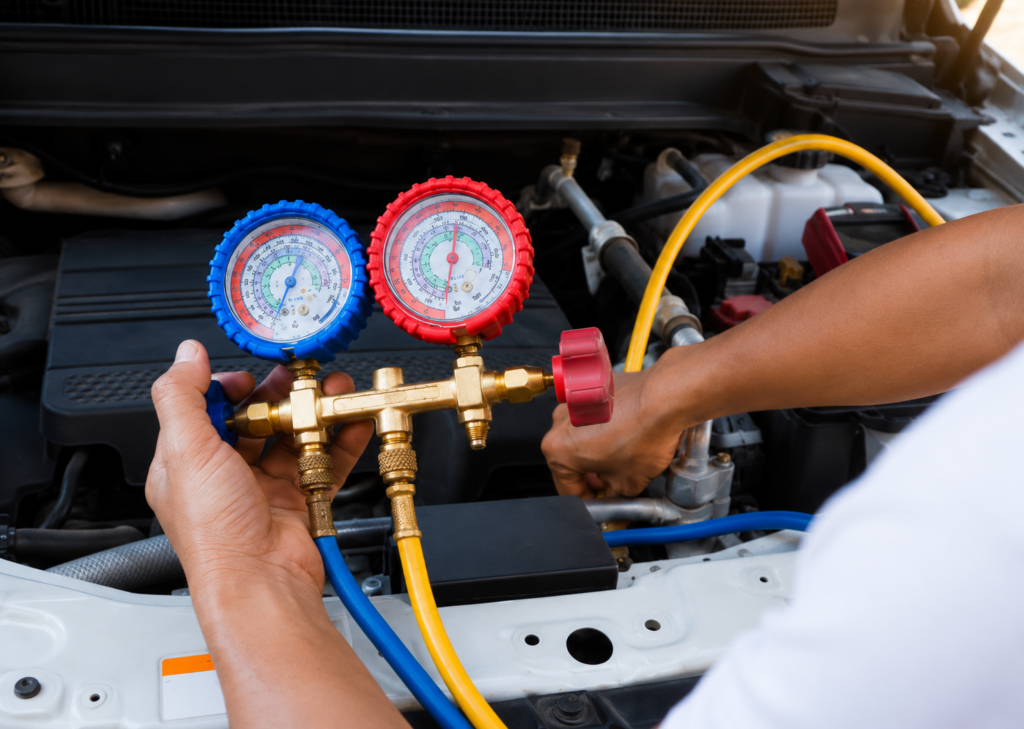
Air conditioning systems operate under high pressure and require specialised equipment. Qualified technicians can:
- Measure refrigerant pressure
- Detect refrigerant leaks
- Inspect compressor performance
- Test electrical circuits
- Identify internal contamination
Correct diagnosis prevents unnecessary replacement of working components.
Understanding Related Air Conditioning Components
Several other components work alongside the compressor.
Condenser
Removes heat from compressed refrigerant.
Evaporator
Absorbs cabin heat to produce cool air.
Expansion Valve
Controls refrigerant flow.
Receiver Drier
Removes moisture from the refrigerant.
Refrigerant Lines
Carry refrigerant throughout the system. A fault in any one of these components can affect compressor performance.
For example, a damaged car air conditioner compressor may also place additional stress on surrounding components if left unrepaired.
Can You Drive with a Faulty Compressor?
While many vehicles remain drivable, operating with a failing compressor is not recommended.
Potential risks include:
- Reduced cabin comfort
- Belt damage
- Increased fuel consumption
- Further system contamination
- More expensive future repairs
Early attention usually results in lower repair costs and less downtime.
Conclusion
The vehicle ac compressor is one of the most important components of any automotive air conditioning system. By compressing and circulating refrigerant, it enables consistent cooling that keeps drivers and passengers comfortable throughout Australia’s diverse climate.
Understanding how the compressor works, recognising early signs of wear, and following regular maintenance practices can help prevent unexpected failures and costly repairs. Whether you’re maintaining your current system or considering a replacement, investing in proper servicing ensures reliable performance, greater efficiency, and comfortable driving all year round.