Compressed air is an essential utility in many industrial environments where it powers equipment, controls automation systems, and supports manufacturing processes. While compressed air is highly effective for industrial applications, it naturally contains moisture that can affect equipment performance if left untreated. Water vapour, oil residues, and airborne contaminants can travel through compressed air pipelines, increasing maintenance requirements and reducing the reliability of production systems.
A low pressure industrial air dryer helps eliminate excess moisture from compressed air before it reaches downstream equipment. By maintaining dry and clean compressed air, these systems improve operational efficiency, protect valuable assets, and support consistent production quality across multiple industries.
If you are looking for a reliable low pressure industrial air dryer, understanding its working principle, benefits, and selection criteria will help you choose a solution that matches your operational requirements.
Why Low Pressure Compressed Air Systems Need Effective Air Drying
Compressed air always contains a certain amount of moisture because atmospheric air naturally holds water vapour. During the compression process, this moisture becomes concentrated and eventually condenses as the compressed air cools. Without proper air treatment, the resulting water can circulate throughout the compressed air network and affect both equipment and production processes.
Moisture inside compressed air systems can create several operational challenges that reduce efficiency and increase maintenance costs. An effective industrial air drying system removes excess moisture before it reaches critical equipment, helping maintain reliable system performance over the long term.
Common issues caused by untreated compressed air include:
- Corrosion inside pipelines
- Damage to pneumatic valves and cylinders
- Reduced efficiency of production equipment
- Blocked control valves
- Increased maintenance requirements
- Higher operating costs
- Unplanned production interruptions
Maintaining clean and dry compressed air contributes to improved equipment reliability while supporting stable industrial operations. It also helps reduce the risk of moisture related failures that can affect downstream production processes.
What Is a Low Pressure Industrial Air Dryer?
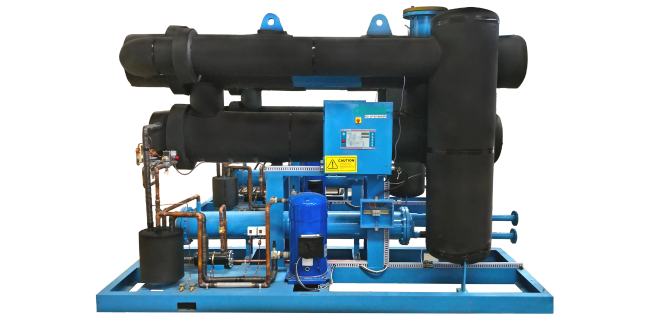
A low pressure industrial air dryer is a compressed air treatment system designed to remove moisture from compressed air operating at relatively lower pressures. Most industrial refrigeration dryers work by cooling compressed air until water vapour condenses into liquid form. The collected moisture is then separated and automatically discharged from the system before the dry air continues through the distribution network.
These dryers are widely used in industrial facilities where reliable compressed air quality is required for continuous operation. Their design focuses on maintaining a stable pressure dew point while minimising energy consumption and supporting efficient moisture removal.
Understanding the Working Principle
The operating principle of a refrigerated low pressure air dryer is straightforward and highly effective. Warm compressed air enters the dryer and passes through a refrigeration system that lowers its temperature below the pressure dew point. As the air cools, water vapour condenses into liquid moisture, which is removed before the air exits the system.
The drying process generally follows these stages:
- Compressed air enters the dryer.
- Heat is removed through the refrigeration circuit.
- Water vapour condenses into liquid.
- Moisture is separated from the compressed air.
- Automatic drains discharge collected condensate.
- Clean and dry compressed air continues to the production system.
This continuous process ensures that compressed air remains suitable for industrial applications where moisture control is essential.
How a Refrigerated Low Pressure Air Dryer Removes Moisture
The cooling process is the key to effective moisture removal. By reducing the air temperature below its dew point, the dryer converts water vapour into liquid, making it easy to remove before the compressed air enters downstream equipment.
Effective moisture removal provides several important advantages:
- Protects compressed air pipelines
- Improves pneumatic equipment performance
- Reduces corrosion
- Supports consistent production quality
- Extends equipment life
- Minimises maintenance requirements
These benefits make refrigerated dryers an important part of modern industrial compressed air systems.
Key Components of an Industrial Air Drying System
A low pressure industrial air dryer consists of several integrated components that work together to maintain reliable moisture removal and consistent compressed air quality.
Major components include:
- Refrigeration compressor
- Air to air heat exchanger
- Refrigerant heat exchanger
- Moisture separator
- Automatic condensate drain
- Refrigeration controls
- Pressure monitoring devices
- Safety protection systems
Each component contributes to maintaining efficient dryer performance while ensuring dependable operation under industrial conditions.
Facilities requiring extremely low dew points for specialised applications may also consider a standard pressure desiccant dryer, which uses adsorption technology instead of refrigeration to remove moisture from compressed air.
Key Benefits of Using a Low Pressure Industrial Air Dryer
Installing a low pressure industrial air dryer provides long term operational benefits that extend beyond moisture removal. It helps improve compressed air quality while protecting production equipment and reducing unnecessary maintenance.
Improved Equipment Reliability
Dry compressed air helps maintain consistent performance across pneumatic systems by preventing moisture from entering valves, actuators, and other sensitive components. Reduced moisture also lowers the likelihood of corrosion and internal wear, contributing to greater equipment reliability.
Lower Maintenance Costs
Moisture is one of the primary causes of corrosion and contamination within compressed air systems. Removing water before it reaches downstream equipment helps reduce maintenance frequency and supports longer service intervals.
Maintenance savings may include:
- Fewer equipment repairs
- Reduced component replacement
- Lower downtime
- Improved maintenance planning
- Longer equipment service life
Better Energy Efficiency
Efficient compressed air treatment supports overall system performance. When moisture is effectively removed, downstream equipment can operate under more stable conditions with reduced pressure losses and improved operating efficiency.
Selecting the correct dryer capacity also helps optimise energy consumption by matching air treatment performance with actual production requirements.
Consistent Product Quality
Many manufacturing processes depend on stable compressed air quality. Moisture free air helps maintain process consistency by reducing contamination risks and supporting reliable equipment performance throughout production.
This contributes to improved production efficiency while reducing interruptions associated with moisture related equipment issues.
Extended Equipment Life
Clean compressed air reduces exposure to corrosion, internal contamination, and excessive wear. As a result, compressors, pipelines, pneumatic tools, and production equipment experience less deterioration over time.
Industrial facilities operating under higher pressure conditions may require an industrial desiccant dryer high pressure for applications where refrigeration drying alone may not achieve the required air quality or pressure dew point.
Understanding the Importance of Proper Air Dryer Selection
Every compressed air system operates under different conditions. Factors such as airflow demand, operating pressure, ambient temperature, production schedules, and required air quality all influence the performance of a low pressure industrial air dryer. Choosing a system that aligns with these operational requirements helps maximise efficiency while reducing maintenance costs and protecting valuable equipment.
In the next section, we will explore the industries that benefit from low pressure industrial air dryers, the key factors to consider when selecting the right system, maintenance best practices, and how proper compressed air treatment supports long term operational efficiency.
Applications of Low Pressure Industrial Air Dryers
Low pressure industrial air dryers are used across a wide range of industries where compressed air quality directly affects equipment performance and production efficiency. Removing moisture before compressed air reaches downstream processes helps minimise corrosion, reduce maintenance requirements, and improve the reliability of industrial operations.
Power Plants
Power generation facilities rely on compressed air for control systems, instrumentation, and various operational processes. Moisture within the compressed air network can affect pneumatic equipment and increase maintenance requirements. A low pressure industrial air dryer helps maintain dry compressed air, supporting stable plant operations and protecting critical components.
Cement Industry
The cement industry operates in demanding environments where dust, temperature variations, and continuous production place significant demands on compressed air systems. Dry compressed air helps improve the performance of pneumatic conveying systems, actuators, and control equipment while reducing the risk of moisture related corrosion.
Benefits for cement plants include:
- Improved equipment reliability
- Reduced pipeline corrosion
- Consistent pneumatic system performance
- Lower maintenance requirements
- Better operational efficiency
Pharmaceutical Manufacturing
Pharmaceutical production requires high standards of process reliability and air quality. Moisture free compressed air supports production equipment by reducing contamination risks and maintaining stable operating conditions throughout manufacturing processes.
Food and Beverage Processing
Compressed air is widely used in packaging, automation, and production equipment within food and beverage facilities. Effective moisture removal helps protect pneumatic systems while supporting consistent production quality and efficient equipment operation.
General Manufacturing Facilities
Many manufacturing industries depend on compressed air for automation, assembly, packaging, and material handling. A low pressure industrial air dryer improves system performance by supplying clean and dry compressed air to production equipment, helping reduce downtime and maintenance costs.
How to Choose the Right Low Pressure Industrial Air Dryer
Selecting the appropriate industrial air dryer requires careful evaluation of several technical and operational factors. A properly sized system provides reliable moisture removal while supporting energy efficiency and long term equipment performance.
Determine Your Air Flow Requirements
Air flow capacity is one of the most important considerations during dryer selection. The system should be capable of handling both average and peak compressed air demand without compromising performance.
When evaluating capacity, consider:
- Compressor output
- Maximum air demand
- Future production expansion
- Continuous operating conditions
- Peak production loads
Matching the dryer capacity with system demand helps maintain stable compressed air quality across the facility.
Evaluate Operating Pressure
Although designed for low pressure applications, dryers must still be selected according to the actual operating pressure of the compressed air system. Choosing equipment with suitable pressure ratings helps ensure safe and reliable operation.
Pressure evaluation should include:
- Normal operating pressure
- Pressure fluctuations
- System safety requirements
- Future operating capacity
Selecting the correct pressure range contributes to long term equipment reliability.
Select the Appropriate Pressure Dew Point
The pressure dew point determines how effectively moisture is removed from compressed air. Different industrial applications require different levels of air dryness depending on production processes and environmental conditions.
Selecting the correct pressure dew point helps:
- Protect downstream equipment
- Improve production consistency
- Reduce corrosion
- Support reliable pneumatic performance
Understanding application requirements is essential when determining the appropriate dew point specification.
Consider Ambient Conditions
Installation conditions can influence dryer efficiency and operating performance. Factors such as room temperature, ventilation, and environmental cleanliness should be considered before selecting equipment.
Important environmental factors include:
- Ambient temperature
- Ventilation quality
- Dust levels
- Installation space
- Accessibility for maintenance
Proper installation conditions contribute to efficient operation and longer equipment life.
Compare Energy Efficiency Features
Energy efficiency plays an important role in reducing operating costs throughout the equipment lifecycle. Modern refrigeration dryers incorporate efficient heat exchangers and refrigeration systems that improve overall performance while minimising energy consumption.
Features worth evaluating include:
- Efficient refrigeration systems
- Low pressure drop
- Automatic condensate drainage
- Reliable temperature controls
- High efficiency heat exchangers
Selecting an energy efficient dryer supports lower operating costs without sacrificing compressed air quality.
Evaluate Maintenance Requirements
Maintenance accessibility should also be considered during equipment selection. Systems designed for easy servicing help reduce maintenance time while supporting long term operational reliability.
Look for equipment offering:
- Accessible service panels
- Durable internal components
- Reliable automatic drains
- Easy filter replacement
- Simple inspection procedures
A well maintained dryer continues to deliver consistent moisture removal throughout its service life.
Best Practices for Maintaining a Low Pressure Industrial Air Dryer
Regular maintenance helps maximise dryer efficiency and ensures reliable compressed air quality over the long term. Preventive maintenance also reduces the likelihood of unexpected equipment failures that may interrupt production.
Inspect and Replace Filters Regularly
Filters remove contaminants before compressed air enters the dryer. Dirty filters restrict airflow and reduce drying efficiency.
Routine filter maintenance helps:
- Maintain airflow
- Protect internal components
- Improve air quality
- Reduce pressure loss
Monitor Condensate Drain Performance
Automatic condensate drains remove collected moisture from the dryer. Regular inspections help ensure that moisture is discharged efficiently without blockages or leakage.
Clean Heat Exchangers
Heat exchangers are responsible for cooling compressed air during the drying process. Keeping these components clean improves cooling efficiency and supports stable dryer performance.
Schedule Preventive Maintenance
Preventive maintenance helps identify potential issues before they develop into larger problems.
Maintenance activities typically include:
- Checking refrigeration performance
- Inspecting electrical connections
- Verifying operating pressures
- Examining safety devices
- Testing condensate drains
- Cleaning internal components
Following a planned maintenance schedule helps maintain consistent compressed air quality while extending equipment life.
Why Selecting the Right Air Dryer Supports Long Term Operational Efficiency
A properly selected low pressure industrial air dryer contributes to improved productivity by protecting compressed air systems from moisture related issues. It supports stable equipment performance, reduces maintenance costs, and helps extend the service life of compressors, pipelines, and pneumatic equipment.
Matching the dryer to the facility’s airflow requirements, operating pressure, and environmental conditions allows the compressed air system to perform more efficiently. Investing in the correct air drying solution also helps minimise downtime, improve energy efficiency, and maintain consistent production quality across industrial operations.
Conclusion
A low pressure industrial air dryer is an essential component of any compressed air system where reliable moisture removal is required. By supplying clean and dry compressed air, these systems protect valuable equipment, reduce maintenance costs, improve energy efficiency, and support uninterrupted industrial operations.
Selecting the right dryer involves evaluating operating pressure, airflow requirements, pressure dew point, ambient conditions, and maintenance needs. Taking these factors into account ensures that the system delivers dependable performance while supporting long term productivity and operational efficiency.
If you need assistance selecting the most suitable compressed air treatment solution for your application, contact Delair India Pvt Ltd to speak with their experienced team and explore the right solution for your facility.
Frequently Asked Questions
1. What is a low pressure industrial air dryer?
A low pressure industrial air dryer is a compressed air treatment system that removes moisture from compressed air operating at lower pressure ranges. It helps protect equipment, improve air quality, and support efficient industrial operations.
2. How does a refrigerated low pressure air dryer work?
It cools compressed air below its pressure dew point, causing water vapour to condense into liquid. The condensed moisture is separated and discharged through an automatic drain before the dry air enters the compressed air network.
3. Why is moisture removal important in compressed air systems?
Moisture can cause corrosion, damage pneumatic equipment, increase maintenance costs, and reduce production efficiency. Removing moisture helps maintain reliable compressed air quality and protects downstream equipment.
4. Which industries benefit from low pressure industrial air dryers?
Low pressure industrial air dryers are widely used in power plants, cement manufacturing, pharmaceutical production, food and beverage processing, and general manufacturing facilities where clean and dry compressed air is essential.
5. How do I choose the right low pressure industrial air dryer?
Selection should be based on factors such as operating pressure, airflow capacity, pressure dew point requirements, ambient conditions, energy efficiency, and maintenance accessibility. Choosing the correct system helps ensure reliable performance and long term operational efficiency.