Moisture control is an important part of many industrial operations where equipment, products, and production environments must remain dry to maintain quality and operational efficiency. Excess moisture can delay projects, affect stored materials, increase maintenance requirements, and reduce the reliability of industrial assets. Whether during plant shutdowns, scheduled maintenance, commissioning, or temporary project work, effective drying solutions help industries maintain smooth operations while reducing the risk of moisture related issues.
Choosing Product Drying Services on Rent provides industries with a flexible and cost effective solution for temporary moisture control requirements. Instead of investing in specialised drying equipment that may only be required for short durations, organisations can access professional drying services that are tailored to the specific needs of each project. This approach improves operational flexibility while ensuring efficient moisture removal across a wide range of industrial applications.
Why Moisture Control Is Critical in Industrial Operations
Industrial facilities operate under varying environmental conditions where humidity and moisture can affect both products and equipment. During maintenance activities, plant shutdowns, transportation, or equipment storage, moisture can accumulate on critical surfaces and within enclosed spaces. If not properly managed, excess moisture may increase maintenance requirements and reduce operational efficiency.
Effective industrial drying services help maintain controlled conditions by removing moisture before it affects production or equipment performance. Temporary drying solutions also support faster project completion by creating suitable environmental conditions for maintenance and commissioning activities.
Common challenges associated with excess moisture include:
- Surface corrosion
- Condensation inside equipment
- Delayed maintenance activities
- Reduced product quality
- Increased inspection requirements
- Higher maintenance costs
- Longer project completion times
Maintaining proper moisture control allows industrial facilities to protect valuable assets while supporting consistent project execution and operational reliability.
How Excess Moisture Affects Industrial Products and Equipment
Moisture can accumulate on machinery, pipelines, storage vessels, fabricated components, and finished products whenever environmental humidity exceeds acceptable levels. Even temporary exposure to uncontrolled moisture may contribute to corrosion, contamination, or deterioration over time.
Industrial drying solutions help reduce these risks by maintaining controlled environmental conditions throughout maintenance and project activities. Removing excess moisture also supports better equipment performance and helps extend the service life of valuable industrial assets.
The Importance of Temporary Drying Solutions During Industrial Projects
Many industrial projects only require moisture control for limited periods. Purchasing permanent drying equipment for temporary requirements may not always be the most practical solution. Rental drying services provide immediate access to specialised equipment without the long term ownership costs associated with purchasing and maintaining dedicated systems.
Temporary drying services are commonly used during:
- Plant shutdowns
- Equipment maintenance
- New facility commissioning
- Construction activities
- Product storage
- Emergency moisture removal
- Industrial turnaround projects
These flexible solutions allow organisations to obtain the required drying capacity exactly when it is needed.
What Are Product Drying Services on Rent?
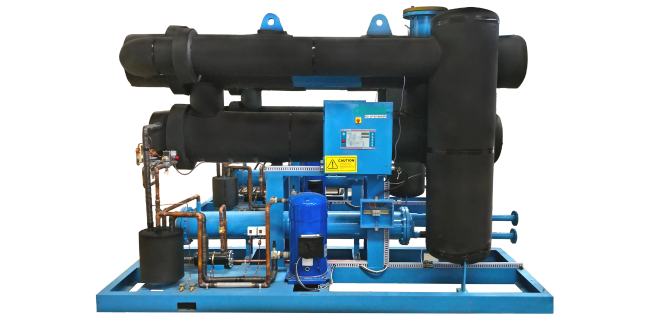
Product drying services on rent involve providing specialised drying equipment and technical expertise for temporary industrial moisture control projects. Depending on the application, these services may use industrial dehumidifiers, air movers, heaters, blowers, or customised drying systems to remove excess moisture from products, enclosed spaces, or industrial equipment.
Unlike permanent installations, rental drying services are designed for short term applications where moisture control is only required during specific project phases. This flexibility allows industries to optimise operational costs while ensuring that drying requirements are fully addressed.
Understanding the Working Process
The drying process begins with an assessment of the project requirements, including the type of product, environmental conditions, moisture levels, and project duration. Based on these factors, suitable drying equipment is selected and installed to create controlled drying conditions.
The process generally includes:
- Site assessment
- Moisture evaluation
- Equipment selection
- Installation of drying systems
- Continuous moisture monitoring
- Controlled drying operation
- Equipment removal after project completion
This structured approach helps ensure efficient moisture removal while minimising disruption to ongoing industrial activities.
How Rental Drying Equipment Removes Moisture Efficiently
Industrial drying equipment is designed to lower humidity and remove moisture from the surrounding environment. Depending on project requirements, drying systems may circulate warm air, reduce relative humidity, or continuously extract moisture from enclosed spaces until the desired conditions are achieved.
Effective moisture removal helps:
- Protect industrial products
- Improve storage conditions
- Support maintenance activities
- Reduce corrosion risks
- Improve project efficiency
- Maintain controlled environmental conditions
These advantages make rental drying equipment an effective solution for temporary industrial applications.
Key Technologies Used in Industrial Product Drying Services
Professional drying service providers utilise a combination of specialised technologies depending on the nature of the project and environmental conditions.
Common technologies include:
- Industrial dehumidification systems
- High capacity air movers
- Portable drying units
- Heated air circulation systems
- Humidity monitoring equipment
- Ventilation systems
Many shutdown and maintenance projects also combine drying with confined space ventilation to improve air circulation and create safer working conditions in enclosed industrial environments.
Key Benefits of Product Drying Services on Rent
Temporary industrial drying solutions provide significant operational and financial advantages compared with purchasing dedicated drying equipment. Organisations can access specialised equipment only when required, reducing capital expenditure while maintaining project flexibility.
Lower Capital Investment
Purchasing industrial drying equipment represents a significant investment that may not be justified for projects requiring temporary moisture control. Rental services eliminate the need for large upfront costs while providing access to professionally maintained equipment.
Benefits include:
- No equipment ownership costs
- Reduced capital expenditure
- Flexible rental periods
- Lower maintenance responsibility
- Access to modern drying technology
This allows organisations to allocate resources more efficiently while obtaining reliable drying solutions.
Flexible Solutions for Temporary Projects
Every industrial project has unique moisture control requirements. Rental drying services provide flexibility by allowing equipment capacity and operating duration to be adjusted according to project needs.
Whether supporting planned maintenance, commissioning activities, or emergency drying requirements, temporary solutions can be adapted without the long term commitments associated with equipment ownership.
Faster Project Completion
Moisture often delays maintenance work, inspections, coating applications, and equipment commissioning. Efficient drying services help establish suitable environmental conditions more quickly, allowing project activities to proceed according to schedule.
Improved moisture control contributes to:
- Reduced project delays
- Better maintenance efficiency
- Faster commissioning
- Improved productivity
- More predictable project timelines
Improved Product Quality and Equipment Protection
Maintaining controlled moisture levels helps protect industrial products and equipment from unnecessary exposure to humidity. Dry environments reduce the likelihood of corrosion, contamination, and moisture related deterioration while supporting consistent product quality throughout storage and maintenance activities.
For large scale shutdowns where temperature management is equally important, product drying services may be integrated with furnace cooling for refinery shutdown to create controlled conditions that improve maintenance efficiency and support safe project execution.
Understanding the Value of Temporary Industrial Drying Solutions
Industrial moisture control requirements vary significantly depending on project scope, environmental conditions, and operational objectives. Product drying services on rent provide organisations with flexible access to specialised drying equipment without the financial commitment of permanent ownership. Selecting the appropriate drying solution helps improve project efficiency, protect valuable assets, and maintain reliable working conditions throughout temporary industrial operations.
In the next section, we will explore when product drying services should be used, the industries that benefit most from temporary drying solutions, key factors to consider when selecting a service provider, and why renting industrial drying equipment is often the most cost effective approach for industrial moisture control projects.
When Should You Rent Product Drying Equipment?
Product drying services on rent are ideal for situations where moisture control is required for a limited period. Instead of purchasing specialised equipment that may only be used occasionally, industries can rent professional drying solutions that are tailored to the project scope and duration. This approach provides operational flexibility while ensuring that moisture is removed efficiently.
Rental drying services are commonly used when projects demand immediate deployment, reliable performance, and technical support. Since every industrial environment presents different challenges, selecting the right drying solution helps maintain productivity while protecting valuable assets.
Plant Shutdowns and Scheduled Maintenance
Plant shutdowns often involve inspections, repairs, equipment replacement, and maintenance activities that require controlled environmental conditions. Moisture accumulation during shutdown periods can slow maintenance work and increase the risk of corrosion.
Using temporary drying services during shutdowns helps:
- Maintain dry working conditions
- Protect exposed equipment
- Improve maintenance efficiency
- Reduce moisture related delays
- Support timely project completion
Project Commissioning
New installations and expansion projects frequently require temporary drying before equipment is placed into operation. Maintaining controlled humidity during commissioning supports equipment readiness and helps ensure that production systems begin operating under suitable environmental conditions.
Production Delays Caused by Moisture
Unexpected humidity or water ingress can interrupt manufacturing activities and delay production schedules. Temporary product drying services help restore acceptable conditions quickly so operations can resume without unnecessary downtime.
Emergency Moisture Removal Requirements
Industrial facilities occasionally face situations where immediate moisture removal is essential. Rental drying services provide rapid deployment of specialised equipment, helping organisations respond efficiently to temporary moisture related challenges.
Industries That Benefit from Product Drying Services
Many industries depend on temporary drying solutions to maintain product quality, protect equipment, and improve operational efficiency. Product drying services are flexible enough to support projects across a broad range of industrial environments.
Power Generation
Power plants require controlled moisture conditions during maintenance, equipment storage, and commissioning activities. Effective drying helps protect turbines, generators, and auxiliary equipment from unnecessary exposure to humidity.
Oil and Gas
Oil and gas facilities frequently perform shutdowns, inspections, and maintenance activities that benefit from temporary drying solutions. Maintaining dry conditions supports equipment protection while improving project execution.
Chemical Processing
Chemical plants often require moisture control during maintenance and equipment preparation. Temporary drying services help maintain suitable environmental conditions for process equipment and storage areas.
Pharmaceutical Manufacturing
Pharmaceutical facilities rely on controlled environments to support production quality and equipment performance. Temporary drying solutions assist with maintenance activities and equipment preparation while helping maintain operational standards.
Food Processing
Food processing facilities benefit from effective moisture control during maintenance, shutdowns, and equipment servicing. Dry environments help improve equipment reliability and support efficient production operations.
General Industrial Manufacturing
Manufacturing facilities across multiple sectors use product drying services during maintenance projects, storage activities, construction work, and commissioning. Flexible rental solutions help maintain operational continuity without the need for permanent drying equipment.
Industries commonly served include:
- Manufacturing
- Engineering facilities
- Petrochemical plants
- Steel plants
- Marine projects
- Construction projects
- Heavy industrial facilities
How to Choose the Right Industrial Product Drying Service
Selecting the right drying service requires more than simply choosing rental equipment. Project requirements, environmental conditions, and technical expertise all influence the effectiveness of moisture removal.
Assess Moisture Removal Requirements
The first step is understanding the amount of moisture that needs to be removed and the environmental conditions affecting the project.
Factors to evaluate include:
- Project size
- Humidity levels
- Equipment sensitivity
- Product type
- Required drying duration
Accurate assessment helps determine the most suitable drying solution.
Evaluate Project Duration
Rental services offer flexibility by matching equipment availability to project schedules. Understanding the expected duration allows organisations to optimise costs while ensuring continuous drying throughout the project.
Select the Appropriate Drying Technology
Different industrial applications require different drying technologies. Depending on project requirements, solutions may involve dehumidification, heated air circulation, ventilation, or a combination of multiple systems.
Choosing the correct technology helps achieve efficient moisture removal while maintaining stable environmental conditions.
Consider Technical Support and On Site Expertise
Professional support plays an important role in successful industrial drying projects. Experienced technicians can assess site conditions, recommend appropriate equipment, oversee installation, and monitor system performance throughout the project.
When selecting a service provider, consider:
- Technical expertise
- Equipment availability
- Project planning support
- Installation assistance
- Monitoring capabilities
- Maintenance support
- Rapid response capability
Working with an experienced provider helps ensure that drying solutions perform efficiently from project start to completion.
Why Renting Product Drying Services Is More Cost Effective Than Purchasing Equipment
For many organisations, temporary drying requirements do not justify purchasing specialised equipment. Rental services provide access to advanced drying technology only when needed, allowing businesses to control costs while maintaining operational flexibility.
Renting also eliminates many of the ongoing responsibilities associated with equipment ownership, including storage, maintenance, servicing, and equipment upgrades. This allows maintenance teams to focus on project execution rather than managing drying equipment inventories.
Additional advantages include:
- Reduced capital expenditure
- Access to modern equipment
- Flexible rental periods
- Professional technical support
- Lower maintenance responsibilities
- Scalable solutions for different projects
These benefits make rental drying services a practical choice for organisations seeking efficient moisture control without long term ownership costs.
Conclusion
Product drying services on rent provide industries with a practical and efficient solution for temporary moisture control during maintenance, shutdowns, commissioning, and specialised industrial projects. By removing excess moisture and maintaining controlled environmental conditions, these services help protect valuable products and equipment while supporting smoother project execution.
Compared with purchasing dedicated drying equipment, rental solutions offer greater flexibility, lower capital investment, and access to professional technical expertise. Selecting the right drying service ensures that industrial projects remain on schedule while maintaining equipment reliability and operational efficiency.
If your project requires dependable temporary drying solutions, contact Technical Drying Services to discuss your moisture control requirements and identify the most suitable solution for your industrial application.
Frequently Asked Questions
1. What are product drying services on rent?
Product drying services on rent provide temporary industrial drying equipment and technical support to remove excess moisture during maintenance, shutdowns, commissioning, storage, and other industrial projects.
2. How do industrial product drying services work?
These services use specialised equipment such as industrial dehumidifiers, air movers, ventilation systems, and heated air circulation to reduce humidity and remove moisture from products, equipment, and industrial environments.
3. When should rental drying equipment be used?
Rental drying equipment is suitable for plant shutdowns, scheduled maintenance, project commissioning, emergency moisture removal, construction projects, equipment storage, and temporary industrial drying requirements.
4. Which industries benefit from temporary drying solutions?
Power generation, oil and gas, chemical processing, pharmaceutical manufacturing, food processing, engineering, construction, marine, and general manufacturing industries commonly use temporary drying services.
5. How do I choose the right product drying service?
Evaluate your project size, moisture levels, drying duration, environmental conditions, required technology, and the service provider’s technical expertise. Selecting a solution that matches these requirements helps ensure efficient moisture removal and successful project completion.