Maintaining clean air is essential for industrial facilities where airborne pollutants can affect operational efficiency, equipment performance, and workplace safety. Modern industrial air purification systems are designed to remove contaminants, improve indoor air quality, and support a healthier working environment. These systems use advanced filtration and air treatment technologies to capture harmful particles, volatile organic compounds, and other airborne pollutants before they circulate throughout a facility. As environmental standards continue to evolve, industries are increasingly investing in reliable air purification solutions that deliver consistent performance while reducing energy consumption. Understanding how these systems work helps organizations make informed decisions when selecting the right solution for their operations.
What Are Industrial Air Purification Systems?
Industrial air purification systems are engineered solutions that remove airborne contaminants generated during manufacturing, processing, and industrial operations. They continuously clean the air by capturing particles, gases, and chemical pollutants before they affect indoor environments. Unlike standard ventilation systems, these purification systems are specifically designed to address complex industrial air quality challenges. Their advanced technologies improve airflow while supporting safer and more efficient working conditions. As a result, they have become an essential component of modern industrial facilities.
Understanding the Purpose of Air Purification
The primary purpose of industrial air purification is to create cleaner indoor environments by removing harmful airborne contaminants. Clean air contributes to improved operational efficiency, protects equipment from excessive particulate buildup, and supports better environmental performance. Effective purification also helps maintain consistent indoor conditions throughout production areas. By reducing pollutants at the source, facilities can achieve better ventilation and more reliable HVAC performance. This proactive approach contributes to long-term operational stability.
How Industrial Air Purification Systems Work
Industrial air purification systems operate by drawing contaminated air through specialized filtration and treatment stages. Depending on the application, the system may combine mechanical filtration, chemical filtration, adsorption technologies, or other advanced purification methods. Each stage targets specific contaminants to improve overall air quality before the treated air is recirculated or safely exhausted. Continuous operation allows these systems to maintain stable indoor conditions even during demanding industrial processes. Their ability to remove multiple types of pollutants makes them highly effective across a wide range of industries.
Common Air Pollutants Removed by Industrial Air Purification Systems
Industrial facilities produce different types of airborne contaminants depending on their operations. Advanced purification systems are designed to remove a broad range of pollutants while maintaining efficient airflow and ventilation.
Common pollutants include:
- Fine dust particles
- Smoke and fumes
- Volatile organic compounds (VOCs)
- Chemical vapors
- Odors
- Oil mist
- Airborne particulate matter
- Process-generated contaminants
By removing these pollutants, industrial air purification systems help maintain cleaner indoor environments and improve overall facility performance.
Why Industrial Air Purification Systems Are Important
Industrial air quality directly affects productivity, equipment reliability, and workplace conditions. Airborne contaminants can accumulate over time if they are not effectively removed, reducing HVAC efficiency and increasing maintenance requirements. Industrial air purification systems continuously improve air quality by capturing pollutants before they spread throughout the facility. Their advanced design supports safer operations while helping organizations meet environmental expectations. Investing in an effective air purification solution also contributes to long-term operational efficiency.
Key Benefits
- Improves indoor air quality.
- Reduces airborne contaminants.
- Supports healthier workplaces.
- Protects sensitive equipment.
- Enhances HVAC efficiency.
- Helps maintain regulatory compliance.
- Reduces long-term maintenance requirements.
- Supports sustainable industrial operations.
Improving Indoor Air Quality
Clean indoor air is essential for maintaining efficient industrial operations. Industrial air purification systems continuously remove airborne pollutants, allowing cleaner air to circulate throughout the facility. Effective purification also helps stabilize environmental conditions while reducing the accumulation of harmful particles. Better air quality contributes to improved HVAC performance because system components remain cleaner over time. These combined advantages make industrial air purification an important investment for modern manufacturing environments.
Supporting Employee Health and Safety
Workplace air quality plays an important role in creating safe and comfortable industrial environments. By reducing airborne contaminants, purification systems help maintain cleaner breathing conditions throughout production and processing areas. Reliable air treatment also supports better ventilation by preventing excessive pollutant buildup within indoor spaces. Consistent air quality contributes to more stable environmental conditions across the facility. This focus on cleaner air supports long-term operational performance and workplace safety.
Protecting Industrial Equipment
Airborne dust, chemical vapors, and fine particles can accumulate on industrial equipment over time. Excessive contamination may reduce equipment efficiency and increase maintenance requirements. Industrial air purification systems help minimize these risks by continuously removing pollutants from the surrounding environment. Cleaner air also reduces the likelihood of unwanted particulate buildup within HVAC systems and production equipment. This contributes to improved equipment reliability and longer operational life.
Helping Meet Environmental Regulations
Many industries are required to maintain acceptable air quality standards as part of environmental and workplace compliance. Industrial air purification systems support these efforts by reducing airborne emissions and improving indoor environmental conditions. Efficient pollutant removal also demonstrates a commitment to responsible industrial operations. Well-designed systems make it easier for facilities to maintain consistent air quality while supporting long-term sustainability objectives. Reliable purification technology therefore plays an important role in modern environmental management.
Key Components of Industrial Air Purification Systems
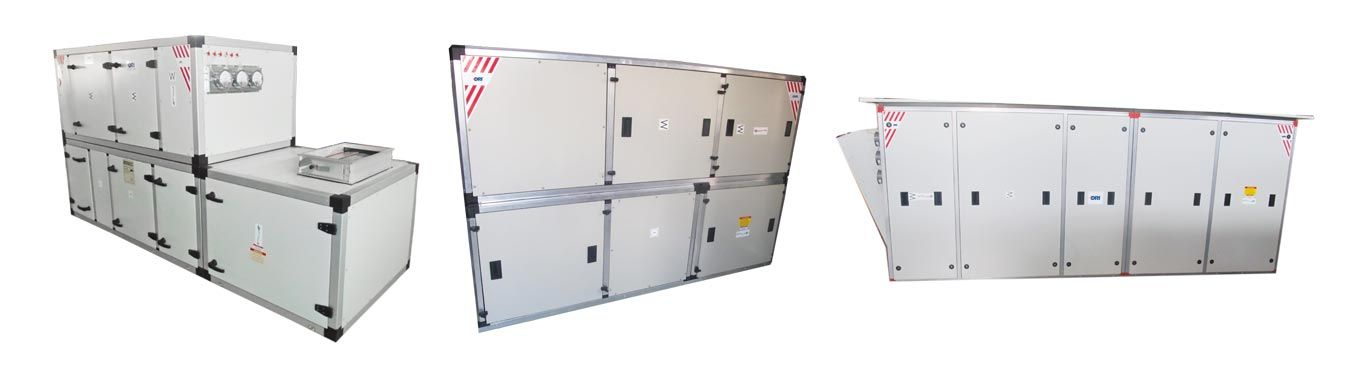
The effectiveness of an industrial air purification system depends on the performance of its individual components. Each element is designed to remove specific contaminants while maintaining efficient airflow throughout the facility. Combining multiple purification technologies allows the system to address complex industrial air quality challenges more effectively. Modern systems are engineered for durability, energy efficiency, and consistent long-term performance. Understanding these components helps organizations select solutions that best match their operational requirements.
Many facilities also integrate specialized equipment such as an ecology unit to improve exhaust air treatment and remove grease, smoke, and odors generated by commercial and industrial kitchen operations. Combining complementary air treatment technologies creates a more comprehensive indoor air quality solution.
Air Filtration Technologies
Air filtration is the foundation of every industrial air purification system. High-performance filters capture airborne particles of different sizes before the air continues through the treatment process. Multi-stage filtration improves purification efficiency while protecting downstream components from contamination. Proper filter selection also helps maintain consistent airflow and optimize system performance. Routine maintenance ensures that filtration systems continue to operate effectively throughout their service life.
VOC Control Systems
Volatile organic compounds are common pollutants generated during many industrial processes. VOC control systems are designed to capture or neutralize these compounds before they are released into the surrounding environment. Advanced treatment technologies improve indoor air quality while supporting compliance with environmental requirements. Efficient VOC management also contributes to better HVAC performance by reducing airborne chemical concentrations. Integrating VOC control into industrial air purification systems enhances overall air treatment effectiveness.
Continued: Key Components of Industrial Air Purification Systems
Air Distribution and Ventilation
Effective air distribution is essential for maintaining consistent indoor air quality throughout an industrial facility. A well-designed ventilation system ensures that purified air reaches every operational area while contaminated air is efficiently removed. Balanced airflow helps prevent the buildup of pollutants in confined spaces and supports stable environmental conditions. Proper ventilation also improves the overall efficiency of the air purification system by maintaining continuous air circulation. Together, air distribution and purification create a healthier and more productive indoor environment.
Monitoring and Control Systems
Modern industrial air purification systems incorporate intelligent monitoring and control technologies to maintain optimal performance. Sensors continuously monitor airflow, filter condition, and air quality parameters, allowing the system to respond to changing operational conditions. Automated controls help maintain consistent purification efficiency while minimizing unnecessary energy consumption. Real-time monitoring also supports preventive maintenance by identifying performance changes before they become significant issues. These technologies improve system reliability and simplify long-term operation.
Energy-Efficient Design
Energy efficiency is a key consideration when selecting an industrial air purification system. Modern designs optimize airflow, reduce pressure losses, and use advanced filtration technologies to achieve high purification performance with lower energy consumption. Efficient equipment helps reduce operating costs while supporting sustainability goals. Improved energy management also extends the lifespan of HVAC components by reducing unnecessary workloads. Investing in energy-efficient purification technology delivers long-term operational and environmental benefits.
Types of Industrial Air Purification Systems
Industrial facilities have different air quality requirements depending on the nature of their operations. As a result, several types of air purification systems are available to address specific contaminants and environmental challenges. Selecting the appropriate technology depends on the type of pollutants present, airflow requirements, and desired purification efficiency. Understanding the strengths of each system helps organizations make informed decisions when designing an effective air treatment strategy.
Mechanical Filtration Systems
Mechanical filtration systems remove airborne particles using high-performance filter media. These systems are highly effective at capturing dust, smoke, fibers, and other suspended particulate matter before the air is recirculated. Multi-stage filtration further improves purification by targeting particles of different sizes. Mechanical filtration is commonly used as the primary stage in industrial air purification systems because it provides reliable and consistent particle removal. Regular filter maintenance ensures continued efficiency and dependable system performance.
Chemical Filtration Systems
Chemical filtration systems are designed to remove gaseous pollutants that cannot be effectively captured by mechanical filters. These systems use specialized media that react with or absorb harmful gases and chemical vapors. Chemical filtration improves indoor air quality by reducing airborne contaminants generated during industrial processes. It also complements particle filtration by addressing pollutants in gaseous form. Combining both technologies provides more comprehensive air purification.
Activated Carbon Filtration
Activated carbon filtration is widely used to remove odors, volatile organic compounds, and chemical vapors from industrial air streams. The porous structure of activated carbon provides a large surface area for adsorption, allowing contaminants to be effectively captured. This technology is particularly useful in facilities where odor control and VOC reduction are important operational requirements. Activated carbon filters are often integrated into multi-stage purification systems for enhanced performance. Routine replacement of the carbon media ensures consistent purification efficiency.
VOC Concentration Systems
VOC concentration systems are designed to capture volatile organic compounds and concentrate them for efficient treatment. These systems reduce the volume of air requiring further processing, improving overall energy efficiency. Concentrating VOCs before treatment also enhances the effectiveness of downstream purification technologies. Modern industrial facilities often integrate VOC concentration systems into broader air purification strategies to achieve better environmental performance. This approach supports efficient pollutant control while optimizing operating costs.
Hybrid Air Purification Solutions
Many industrial facilities benefit from hybrid air purification systems that combine multiple treatment technologies into a single integrated solution. Mechanical filtration, chemical filtration, activated carbon, and VOC treatment can work together to remove a wide range of contaminants. This integrated approach improves purification efficiency while providing greater flexibility for different industrial applications. Hybrid systems also adapt more effectively to changing operational conditions. Their versatility makes them suitable for facilities with complex air quality requirements.
Industries That Benefit from Industrial Air Purification Systems
Industrial air purification systems support a wide variety of industries by maintaining cleaner indoor environments and improving operational efficiency. Different industries generate different types of airborne contaminants, making specialized purification technologies essential. Effective air treatment protects equipment, supports stable production environments, and contributes to better overall facility performance. As environmental expectations continue to increase, more industries are investing in advanced air purification solutions.
Modern industrial facilities also incorporate warehouse cooling solutions alongside air purification systems to improve temperature control and indoor environmental quality. Combining cooling and purification technologies creates a more efficient and comfortable working environment.
Manufacturing Plants
Manufacturing operations generate dust, fumes, and airborne particles that can affect both production efficiency and equipment performance. Industrial air purification systems continuously remove these contaminants to maintain cleaner production environments. Improved air quality also helps HVAC systems operate more efficiently by reducing particulate accumulation. Cleaner facilities contribute to more stable operational conditions over extended periods. Reliable air purification supports consistent manufacturing performance.
Pharmaceutical Industry
Pharmaceutical facilities require carefully controlled indoor environments where air quality remains consistently high. Industrial air purification systems remove airborne contaminants while supporting reliable ventilation throughout production areas. Clean air contributes to efficient facility operation and helps maintain stable environmental conditions. Advanced filtration technologies further improve purification performance by capturing fine particulate matter. These systems play an important role in pharmaceutical manufacturing environments.
Food and Beverage Processing
Food and beverage processing facilities depend on effective air treatment to maintain clean production environments. Industrial air purification systems remove airborne particles, odors, and contaminants that could affect operational conditions. Reliable purification also supports consistent airflow and efficient ventilation throughout the facility. Cleaner air contributes to improved HVAC performance and long-term equipment reliability. These advantages make industrial air purification an important component of food processing operations.
Chemical Processing Facilities
Chemical processing operations often generate airborne vapors and gases that require specialized treatment. Industrial air purification systems use advanced filtration and adsorption technologies to reduce these contaminants before they spread throughout the facility. Efficient air treatment improves environmental conditions while supporting safe and reliable operations. Continuous purification also enhances HVAC efficiency by reducing airborne chemical concentrations. Proper air quality management contributes to better overall plant performance.
Automotive Industry
Automotive manufacturing facilities produce a variety of airborne pollutants during different production processes. Industrial air purification systems help remove dust, fumes, and chemical vapors while maintaining cleaner indoor air. Reliable purification improves ventilation performance and supports efficient HVAC operation. Cleaner production environments also contribute to improved equipment reliability. These systems play an important role in maintaining stable manufacturing conditions.
Electronics Manufacturing
Electronics manufacturing requires clean indoor environments to support precision production processes. Industrial air purification systems continuously remove airborne particles that may interfere with sensitive equipment and manufacturing operations. Stable air quality also helps maintain efficient ventilation and consistent environmental conditions. Reliable purification improves HVAC performance while reducing contamination risks. These benefits make industrial air purification essential for electronics production facilities.
Continued: Benefits of Installing Industrial Air Purification Systems
Installing an industrial air purification system provides long-term advantages that extend beyond cleaner air. These systems improve operational efficiency, support equipment reliability, and help organizations create healthier industrial environments. By continuously removing airborne contaminants, they reduce the burden on HVAC systems while contributing to consistent indoor conditions. Modern purification technologies also support sustainability goals through energy-efficient operation and optimized airflow. These combined benefits make industrial air purification a valuable investment for a wide range of industries.
Better Air Quality
The primary benefit of an industrial air purification system is improved indoor air quality. Advanced filtration and air treatment technologies continuously remove dust, fumes, chemical vapors, and other airborne contaminants before they circulate throughout the facility. Cleaner air supports more stable environmental conditions while reducing pollutant accumulation on equipment and ventilation components. Consistent purification also improves overall HVAC performance by maintaining cleaner airflow. Better air quality contributes to a more efficient and well-managed industrial environment.
Improved Operational Efficiency
Efficient air purification directly supports smoother industrial operations. When airborne contaminants are effectively controlled, HVAC systems can operate with less strain and maintain consistent airflow across the facility. Cleaner environments also reduce interruptions caused by excessive dust accumulation or air quality concerns. Reliable purification technologies help maintain stable operating conditions throughout production areas. Improved efficiency contributes to better overall facility performance and long-term operational reliability.
Lower Maintenance Costs
Airborne contaminants can increase maintenance requirements by accumulating inside HVAC equipment and production machinery. Industrial air purification systems reduce this buildup by capturing pollutants before they spread throughout the facility. Cleaner equipment generally requires less frequent cleaning and servicing, helping organizations reduce maintenance costs over time. Improved air quality also contributes to longer equipment life by minimizing unnecessary wear. These savings provide additional value beyond the initial investment in air purification technology.
Energy Savings
Modern industrial air purification systems are designed with energy efficiency in mind. Optimized airflow, advanced filtration, and intelligent control systems reduce unnecessary energy consumption while maintaining effective purification performance. Lower energy demand helps decrease operating costs and supports sustainable facility management. Efficient equipment also reduces the workload on HVAC systems, allowing them to operate more effectively. These energy-saving advantages contribute to improved long-term financial performance.
Sustainable Industrial Operations
Sustainability has become an important objective for industrial organizations worldwide. Industrial air purification systems support these efforts by improving energy efficiency, reducing pollutant emissions, and maintaining cleaner indoor environments. Efficient air treatment technologies also contribute to responsible resource management by optimizing HVAC performance. Organizations that invest in advanced purification solutions strengthen both their operational efficiency and environmental commitment. Sustainable air management supports long-term business success while meeting evolving industry expectations.
How to Choose the Right Industrial Air Purification System
Selecting the most suitable industrial air purification system requires careful evaluation of operational requirements and air quality objectives. Every facility generates different types of pollutants, making it important to match purification technology with specific environmental conditions. Considering airflow capacity, maintenance needs, and energy efficiency helps ensure reliable long-term performance. A well-planned selection process results in cleaner air, improved HVAC efficiency, and lower operating costs. Organizations should evaluate several key factors before making their final decision.
Identify the Type of Air Pollutants
Understanding the nature of airborne contaminants is the first step in selecting an effective air purification system. Different purification technologies are designed to remove specific pollutants such as dust, smoke, VOCs, chemical vapors, or odors. Identifying the primary contaminants allows organizations to choose equipment that delivers the most effective treatment. Proper pollutant analysis also helps optimize overall system performance. Selecting the right technology ensures reliable and efficient air purification.
Evaluate Airflow Requirements
Airflow capacity directly affects the effectiveness of any industrial air purification system. The selected equipment should provide sufficient airflow to maintain consistent purification throughout the facility. Proper sizing ensures that contaminated air is continuously treated without creating unnecessary pressure losses. Accurate airflow calculations also improve energy efficiency and HVAC performance. Matching the system to the facility’s ventilation requirements contributes to dependable long-term operation.
Consider Energy Efficiency
Energy-efficient equipment reduces operational expenses while supporting sustainable industrial practices. Modern air purification systems incorporate optimized airflow paths, advanced filtration technologies, and intelligent controls that minimize power consumption. Selecting energy-efficient solutions helps organizations reduce long-term operating costs without sacrificing purification performance. Lower energy demand also contributes to improved environmental responsibility. Energy efficiency should therefore remain a priority during system selection.
Review Maintenance Requirements
Maintenance plays a significant role in preserving purification efficiency over the equipment’s service life. Systems designed with accessible filters, inspection panels, and monitoring features simplify routine servicing and reduce downtime. Easy maintenance also encourages regular inspections that help maintain consistent performance. Understanding maintenance requirements before installation allows organizations to plan more effectively. Well-maintained systems deliver reliable air quality for many years.
Select an Experienced Solution Provider
Choosing an experienced solution provider is just as important as selecting the right equipment. Manufacturers with strong engineering capabilities and proven industry experience can recommend systems tailored to specific operational requirements. They also provide valuable technical support throughout installation, commissioning, and ongoing maintenance. Reliable service strengthens long-term system performance while reducing operational risks. Working with an experienced partner helps maximize the value of the investment.
Why Choose DRI Rotors for Industrial Air Purification Systems
Selecting a trusted manufacturer ensures dependable product quality, advanced engineering, and long-term technical support. DRI Rotors develops industrial air purification systems that combine innovative air treatment technologies with energy-efficient design principles. Every solution is engineered to improve indoor air quality while supporting reliable HVAC performance across a wide range of industries. Continuous innovation and precision manufacturing allow DRI Rotors to meet evolving industrial air treatment requirements. Organizations benefit from solutions designed for durability, efficiency, and long-term operational success.
Advanced Air Purification Technology
DRI Rotors develops air purification systems using advanced filtration and air treatment technologies that effectively remove industrial contaminants. Carefully engineered designs optimize airflow while maintaining high purification efficiency across different operating conditions. Continuous innovation helps improve system performance and adapt to changing industry requirements. Reliable technology supports cleaner indoor environments and more efficient industrial operations. This engineering-focused approach ensures consistent long-term results.
Customized Engineering Solutions
Every industrial facility has unique air quality requirements, making customized engineering an important advantage. DRI Rotors designs solutions that align with specific airflow capacities, pollutant types, and operational objectives. Tailored system configurations improve compatibility with existing HVAC infrastructure while maximizing purification efficiency. Flexible engineering also supports future expansion and evolving production needs. Customized solutions provide organizations with greater performance and long-term value.
Continued: Why Choose DRI Rotors for Industrial Air Purification Systems?
Reliable Product Quality
Product quality is a critical factor in the long-term performance of any industrial air purification system. DRI Rotors follows strict manufacturing standards to ensure every system delivers consistent air treatment and dependable operation. High-quality materials, precision engineering, and comprehensive quality inspections contribute to durable and reliable equipment. Well-built systems require less maintenance while maintaining efficient purification performance over extended operating periods. This commitment to quality provides organizations with confidence in their air treatment investment.
Energy-Efficient Designs
DRI Rotors develops industrial air purification systems that balance high purification performance with low energy consumption. Optimized airflow paths, efficient filtration technologies, and intelligent engineering reduce the load on HVAC equipment while maintaining excellent indoor air quality. Lower energy demand helps organizations reduce operating costs and improve overall system efficiency. These energy-saving designs also support sustainable industrial operations without compromising purification effectiveness. Efficient performance delivers long-term operational and environmental benefits.
Global Industry Experience
DRI Rotors has extensive experience in developing advanced air treatment solutions for diverse industrial applications. The company’s engineering expertise enables it to deliver systems that address a wide variety of air quality challenges. Continuous product innovation, technical knowledge, and customer-focused engineering ensure reliable solutions for evolving industrial requirements. By combining advanced manufacturing with practical HVAC expertise, DRI Rotors supports organizations seeking dependable air purification technologies. Its global experience strengthens the company’s ability to provide high-performance solutions across multiple industries.
To learn more about customized industrial air purification solutions, contact Desiccant Rotors International.
Conclusion
Industrial air purification systems have become an essential part of modern industrial operations by improving indoor air quality, supporting workplace safety, and enhancing HVAC efficiency. Advanced filtration and air treatment technologies remove harmful airborne contaminants while helping organizations maintain cleaner and more productive environments. These systems also reduce equipment maintenance requirements, lower energy consumption, and contribute to sustainable industrial practices.
Selecting the right industrial air purification system requires careful consideration of pollutant types, airflow requirements, energy efficiency, maintenance needs, and manufacturer expertise. Working with an experienced solution provider ensures reliable system performance and long-term operational value.
With advanced engineering, energy-efficient technologies, and a commitment to product quality, DRI Rotors delivers industrial air purification systems designed to meet the evolving air treatment needs of modern industries. Investing in a trusted partner helps organizations achieve cleaner air, improved operational efficiency, and dependable environmental performance for years to come.
Frequently Asked Questions
1. What are industrial air purification systems?
Industrial air purification systems are specialized HVAC solutions designed to remove airborne contaminants such as dust, fumes, volatile organic compounds, chemical vapors, smoke, and odors from industrial environments. These systems improve indoor air quality while supporting efficient and reliable facility operations.
2. How do industrial air purification systems work?
Industrial air purification systems draw contaminated air through multiple treatment stages that may include mechanical filtration, chemical filtration, activated carbon adsorption, and VOC control technologies. Each stage removes specific pollutants before the cleaned air is recirculated or safely exhausted from the facility.
3. Which industries benefit from industrial air purification systems?
Industrial air purification systems are widely used in:
- Manufacturing plants
- Pharmaceutical facilities
- Food and beverage processing
- Chemical processing industries
- Automotive manufacturing
- Electronics manufacturing
- Warehousing and logistics facilities
- Industrial production environments
4. What pollutants can industrial air purification systems remove?
Modern industrial air purification systems are capable of removing a broad range of airborne contaminants, including:
- Dust and particulate matter
- Smoke and industrial fumes
- Volatile organic compounds (VOCs)
- Chemical vapors
- Odors
- Oil mist
- Fine airborne particles
- Process-generated pollutants
5. How do I choose the right industrial air purification system?
When selecting an industrial air purification system, consider the following factors:
- Types of airborne pollutants
- Required airflow capacity
- Filtration technology
- Energy efficiency
- Maintenance requirements
- System scalability
- Manufacturer experience
- Technical support and after-sales service
Evaluating these factors helps ensure the selected solution delivers reliable long-term performance.