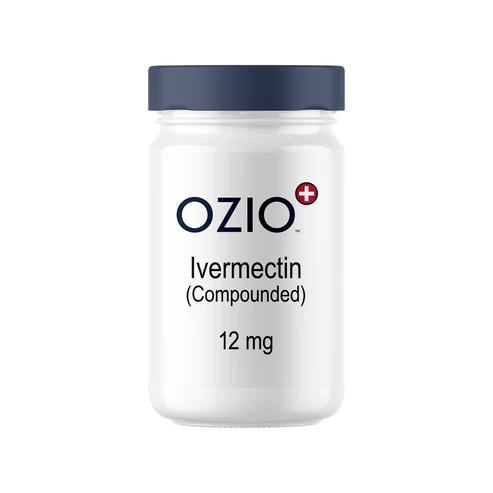
Ivermectin is a medication used for certain parasitic infections, with approved uses and formulations varying by country. Standard tablets and other commercially manufactured forms are designed around doses that suit a broad patient population. Some patients, however, may require a dosage form or strength that is not readily available through conventional products. Pharmaceutical compounding can provide an option in specific clinical circumstances, provided it is prescribed and prepared by qualified professionals.
Ivermectin compounded capsules are prepared by a compounding pharmacy according to an individual prescription. The purpose is not to make the medicine inherently stronger or more effective, but to address practical needs that a commercially available product may not meet.
What Does Compounding Involve?
Compounding involves preparing a medication for a particular patient when an appropriate commercially manufactured product is unavailable or unsuitable. A licensed or appropriately regulated pharmacy prepares the medicine according to a prescription and established compounding procedures.
For ivermectin, this may involve preparing capsules at a prescribed strength that differs from commercially available options. The pharmacy may also use an appropriate capsule formulation when a patient has difficulty taking another dosage form.
The process requires careful measurement of the active pharmaceutical ingredient and appropriate selection of excipients. Quality depends heavily on the pharmacy’s facilities, procedures, ingredient sourcing, personnel, and quality-control practices.
Compounded medicines should not be treated as interchangeable with approved commercial products without guidance from a healthcare professional.
Why a Patient May Need an Individualised Strength
Medication doses are prescribed according to the condition being treated, patient characteristics, and clinical judgment. A commercially available strength may not always allow a prescriber to provide the desired dose without complicated tablet splitting or combining multiple units.
A compounded capsule can be prepared at a specified strength when a suitable manufactured option is unavailable. This may make the dosing process more straightforward for some patients.
The appropriate amount of ivermectin depends on the indication and other clinical considerations. Compounding pharmacies should therefore work from a valid prescription rather than preparing a preferred strength based solely on a patient’s request.
Capsule Form Can Address Practical Difficulties
Dosage form can affect how easily a patient follows a treatment plan. Some people may have difficulty swallowing certain tablets, dislike particular formulations, or need a preparation that fits a specific dosing schedule.
Compounded capsules may offer a practical alternative in cases where a suitable commercial formulation is unavailable. The pharmacy can prepare the medication according to the prescription while considering the patient’s needs and the ingredients used in the formulation.
This does not mean a compounded capsule is automatically preferable. A commercially manufactured product may be the better choice when an appropriate approved formulation is available and suitable for the patient.
Quality Starts With the Compounding Pharmacy
The quality of a compounded medication depends on how it is prepared and controlled. Patients should obtain compounded ivermectin only through a legitimate pharmacy operating under the applicable regulatory requirements.
A reputable compounding pharmacy should have procedures covering ingredient procurement, weighing, mixing, encapsulation, packaging, labeling, storage, and documentation. Appropriate records help establish what was prepared, which ingredients were used, and how the finished product was handled.
The source of ivermectin itself deserves attention. Pharmaceutical ingredients should come from appropriate suppliers and meet applicable quality standards. Products of uncertain origin carry greater risks because the concentration, purity, storage conditions, and identity of the ingredient may not be reliable.
Prescription Details Matter
A compounded medicine is made for a specific prescription, so accurate information is essential. The prescription should identify the medication, strength, dosage instructions, quantity, and other relevant details required by local regulations.
Patients should follow the prescribed schedule rather than changing the dose independently. Taking more ivermectin does not necessarily improve treatment and may increase the risk of adverse effects.
The pharmacist can also explain how the capsules should be stored, what to do if a dose is missed, and whether there are formulation-specific instructions.
Individualisation Does Not Mean Self-Dosing
The availability of compounded ivermectin capsules should not encourage self-treatment. Ivermectin has specific medical uses, and the correct dose depends on the condition being treated and patient-specific factors.
Interactions with other medicines can also matter. A prescriber should review the patient’s medication history and relevant clinical information before recommending treatment.
Online sources sometimes promote ivermectin for conditions for which it has not been established as an appropriate treatment. Such claims should not replace professional medical advice or evidence-based prescribing.
Commercial and Compounded Products Are Not Identical
Commercially manufactured medicines undergo regulatory review and production controls specific to their approved formulation. Compounded medicines are prepared for individual patients and generally do not go through the same approval process as mass-produced medicines.
That distinction is important for patients comparing products. A compounded capsule should be selected because a recognised clinical need exists for compounding, not simply because it appears cheaper, stronger, or easier to obtain.
Patients should also be cautious about websites selling ivermectin without requiring a prescription where one is legally required. Unverified online sellers may provide medicines with inaccurate labeling, questionable ingredients, or unsuitable storage histories.
Storage and Handling Should Not Be Overlooked
Once capsules have been dispensed, storage instructions should be followed carefully. Exposure to excessive heat, moisture, or unsuitable conditions can affect medication quality.
The dispensing label should provide the relevant storage information and beyond-use date. Patients should avoid transferring capsules into unlabelled containers and should keep medicines away from children and anyone for whom they were not prescribed.
Unused or expired medication should be disposed of according to local pharmacy or healthcare guidance rather than saved for possible future use.
A Practical Role for Compounding
Compounding can be useful when a patient has a legitimate medication need that cannot be adequately met by an available commercial formulation. For ivermectin, that may include a prescribed strength or dosage form that is not commercially available in the required format.
The decision should involve the prescriber and pharmacist, with the pharmacy assessing whether it can prepare the medication appropriately. Patients can also ask about the pharmacy’s compounding standards, ingredient sourcing, labeling, and quality-control procedures.
Used appropriately, ivermectin compounded capsules can provide a practical way to meet specific prescribing requirements. Their value lies in addressing an identified clinical or pharmaceutical need, rather than offering an alternative route for unsupervised medication use. A prescription, qualified pharmacy, reliable ingredients, and clear dosing instructions remain central to safe and appropriate treatment.