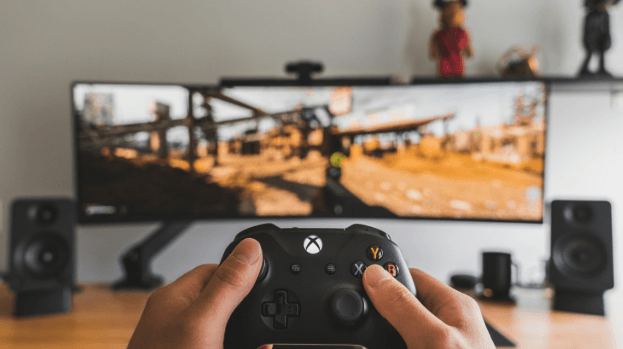
Cloud gaming platforms are reshaping access to games by shifting runtime from local hardware to networked servers. They promise broad libraries, predictable pricing, and device versatility, while edge streaming mitigates latency and expands reach. The balance of control, monetization, and ownership remains unsettled as progress crosses devices and regions. With competition centering on scope and social features, the next moves could redefine consumer expectations and developer strategies, leaving stakeholders to weigh opportunity against risk as this shift accelerates.
What Cloud Gaming Is and Why It Matters
Cloud gaming refers to the delivery of video games via streaming technology, where the game runs on remote servers and is transmitted to a user’s device as input-driven video. It reframes ownership models and performance expectations, highlighting cloud latency as a critical constraint and strategic lever.
The model emphasizes accessibility and flexibility, while balancing infrastructure costs and developer control in evolving ownership paradigms.
How Cloud Gaming Works Today: Tech, Latency, and Devices
Currently, cloud gaming operates by streaming rendered game frames from remote servers to end-user devices, with input captured locally and transmitted back to the server in near real time; this architecture hinges on low latency, high bandwidth, and robust edge infrastructure to maintain interactivity and visual fidelity.
Cloud compression and edge caching latency shape throughput, efficiency, and perceived responsiveness across devices and networks.
Evaluating Platforms: Library, Pricing, and Accessibility
How do library breadth, pricing structures, and accessibility options shape platform choice for consumers and developers? Platforms balance library breadth with pricing models, ensuring diverse titles and timely updates, while accessibility pricing expands reach for differently-abled users. Evaluations emphasize flexibility, transparency, and fairness, guiding investors and creators toward ecosystems that align with demand for affordable, scalable access.
Gaming Without Barriers: Social, Ownership, and Cross-Device Progress
Social dynamics, ownership, and cross-device progress define how players engage with cloud gaming ecosystems beyond technical capabilities: social features like co-play, tournaments, and communities influence engagement and retention; digital ownership models and licensing shape perceived value and long-term investment; and cross-device progress ensures seamless continuity, enabling players to switch hardware without losing momentum.
barrier free social, cross device progress ownership, cloud gaming accessibility.
See also: newsween
Frequently Asked Questions
How Sustainable Is Cloud Gaming for Indie Developers?
Cloud gaming shows modest sustainability for indie developers, contingent on scalable monetization and efficient dev tooling; independents must leverage indie monetization strategies and robust dev tooling to mitigate bandwidth costs, platform fees, and discoverability challenges while preserving freedom.
What Are the Regional Data Sovereignty Implications?
Regional data sovereignty concerns arise from cross border latency, as providers must navigate varied laws and data localization requirements; the balance between performance and compliance shapes deployment, governance, and user trust in cloud gaming markets.
Can Cloud Gaming Replace Traditional Hardware Entirely?
Approximately 60% of users report acceptable cloud latency in peak conditions, yet cloud gaming cannot fully replace traditional hardware due to platform fragmentation and persistent latency variability, which prevents universal freedom and flawless performance across all ecosystems.
How Do Cloud Save Transfers Handle Ownership Changes?
Cloud save transfers typically occur through secure ownership transfer protocols, ensuring data integrity during cloud migration. Ownership transfer requires verifiable authorization, policy alignment, and post-transfer access controls, preventing data loss while preserving user rights and cross-platform continuity.
What’s the Long-Term Cost Trajectory for Subscribers?
The long-term cost trajectory suggests cautious subscriber growth tempered by subscription economics; platform fragmentation and latency monetization create varied pressures, with consumer freedom driving sensitivity to price, while overall costs tend toward stabilization as market maturity reduces volatility.
Conclusion
Cloud gaming is poised to redefine ownership and access, enabling broad libraries and flexible pricing while shifting emphasis from local installs to streaming-native experiences. Yet latency, device compatibility, and user psychology around ownership remain critical hurdles for adoption. As edge networks mature, platforms will likely balance monetization with social features and cross-device progression. Anachronistically, the arcade cabinet of yesterday sits beside the cloud, a reminder that the industry’s evolution is less about losing hardware and more about reimagining effortless, universal play.