Interior spaces in commercial buildings, healthcare facilities, offices, educational institutions, hospitality venues, and residential projects require materials that combine appearance with practical performance. Wall panels, countertops, furniture surfaces, doors, partitions, and workspaces are exposed to regular contact, cleaning, moisture, and general wear. Choosing a suitable decorative surface can therefore influence both the appearance and long-term usability of an interior.
One widely used category is high-pressure laminate. It is valued for its combination of decorative possibilities and functional characteristics. However, selecting the right material requires more than choosing a color or pattern. Thickness, surface finish, application, substrate compatibility, maintenance requirements, and manufacturing quality all deserve attention.
Understanding Surface Requirements
Every project has different demands. A hotel lobby may prioritize appearance and resistance to frequent cleaning, while a school environment may place greater emphasis on durability and easy maintenance.
Before choosing a surface material, designers and contractors should identify the conditions in which it will be installed.
Important questions include:
- Will the surface experience frequent contact?
- Is moisture likely to be present?
- Will cleaning chemicals be used?
- Is impact resistance important?
- What appearance is required?
- How often will the surface need maintenance?
- What substrate will receive the material?
Answering these questions creates a practical specification instead of relying only on appearance.
See also: Korea to Indonesia: Your Ultimate Asia Escape Guide
What Makes Laminate Useful?
High-pressure laminate is manufactured by combining layers of material under controlled heat and pressure. The resulting surface can provide a durable decorative layer for many interior applications.
Depending on the specification, laminate may be used for furniture, countertops, cabinets, wall panels, doors, partitions, and commercial interiors.
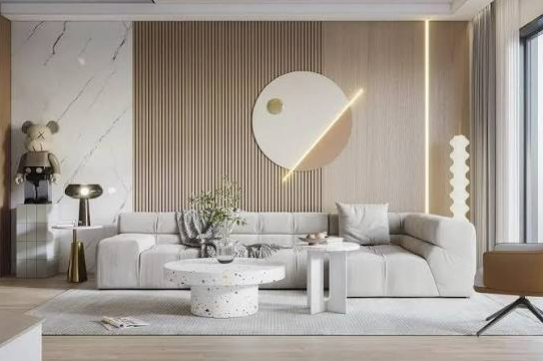
Its design flexibility is another advantage. Modern decorative surfaces can reproduce colors, patterns, wood-inspired appearances, stone effects, and other visual styles.
This makes laminate useful when designers want practical surfaces without sacrificing the overall design concept.
Surface Finish and Appearance
The visual finish can significantly affect how an interior space looks and feels. Matte surfaces can create a subtle appearance, while textured finishes may provide additional visual depth.
The choice should also consider lighting. A highly reflective surface may behave differently under strong artificial lighting than a low-gloss finish.
Designers should evaluate physical samples whenever possible. Digital images can provide an initial impression, but real samples offer a better understanding of texture, color, thickness, and surface finish.
Durability in High-Traffic Areas
Commercial environments often experience heavy daily use. Reception desks, counters, tables, doors, and wall surfaces may be touched hundreds of times each day.
A durable surface can help maintain appearance over a longer period. However, durability depends on both material specification and installation quality.
The substrate must provide appropriate support, edges should be finished correctly, and installation should follow recommended procedures.
A high-quality material cannot compensate for poor installation.
Maintenance Requirements
Easy maintenance is another important consideration. Interior surfaces should be selected according to the type of cleaning they are expected to receive.
Routine cleaning procedures should follow the material manufacturer’s recommendations. Aggressive chemicals or unsuitable tools may damage certain finishes even when the material itself is durable.
Facilities managers can benefit from maintaining simple cleaning guidelines so that staff know which products and methods are appropriate.
Selecting a Reliable Supplier
Supplier selection is an important part of a successful project. Buyers should look beyond the quoted price and evaluate consistency, technical support, available specifications, production capacity, and communication.
A supplier should be able to provide clear information about material dimensions, finishes, performance characteristics, and recommended applications.
For businesses comparing options, reviewing a HPL manufacturers China resource can be a useful starting point for understanding the supplier landscape and evaluating different manufacturing capabilities.
Sustainability Considerations
Modern construction projects increasingly consider environmental impact. When selecting interior materials, buyers may review manufacturing processes, product lifespan, waste, packaging, and disposal requirements.
Long-lasting materials can sometimes reduce the need for frequent replacement. Efficient material planning can also reduce unnecessary waste during installation.
Sustainability should therefore be evaluated across the complete life cycle rather than through a single characteristic.
FAQs
Where can laminate surfaces be used?
They can be used for furniture, countertops, cabinets, doors, partitions, wall panels, and many commercial or residential interior applications.
Does surface finish matter?
Yes. Surface finish influences appearance, texture, maintenance, and how a material responds to lighting and everyday use.
How should buyers evaluate suppliers?
They should consider material quality, specifications, consistency, production capacity, technical support, and overall reliability rather than price alone.
Conclusion
Selecting an interior surface is a balance between design, performance, maintenance, and long-term value. High-pressure laminate can provide a practical combination of decorative flexibility and durability when the correct specification is chosen.
By understanding project requirements, evaluating samples, checking installation conditions, and selecting a dependable supplier, designers and buyers can create interiors that remain attractive and functional over time.