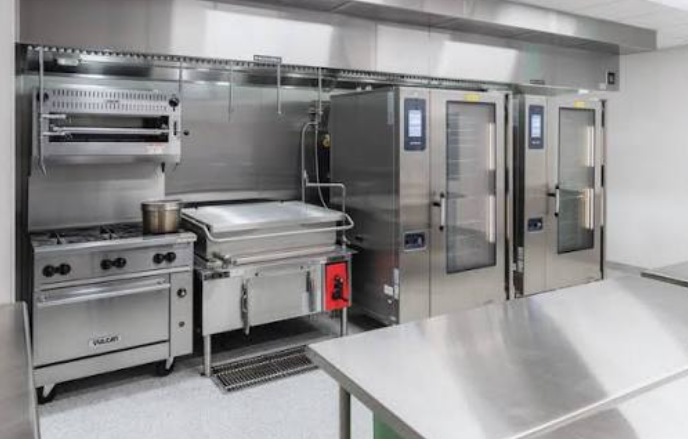
A successful commercial kitchen depends on reliable ingredients, suitable equipment, and an organized supply process. Whether a business operates a bakery, café, restaurant, hotel, or catering service, preparation becomes easier when essential culinary supplies are managed systematically.
Dessert preparation is one area where consistency can make a noticeable difference. Whipped cream is frequently used for cakes, pastries, beverages, fruit desserts, and plated dishes, so kitchens that serve these products regularly need a dependable method for preparing and handling it.
For businesses purchasing culinary supplies in larger quantities, planning is particularly important. Storage capacity, product compatibility, kitchen demand, staff procedures, and responsible handling should all be considered before establishing a supply routine.
Understanding Commercial Dessert Requirements
Every food business has different preparation requirements. A small café may only need whipped cream for several beverages each day, while a bakery or catering company may use considerably more during regular production.
Before ordering supplies, managers can review their average consumption and identify which desserts require aerated cream. This helps create a realistic inventory system without relying on guesswork.
Demand may also change during weekends, holidays, seasonal promotions, and special events. Businesses can account for these fluctuations by reviewing previous sales data and adjusting their kitchen planning accordingly.
Why Inventory Planning Matters
Inventory management helps businesses maintain a balance between availability and unnecessary storage.
Running out of an important culinary supply during service can interrupt preparation and affect customer orders. At the same time, storing excessive quantities without suitable conditions can create organizational and safety concerns.
A basic inventory system can track:
- Current stock
- Average weekly consumption
- Expected demand
- Storage conditions
- Product specifications
- Equipment compatibility
- Reorder requirements
This information allows kitchen managers to make better decisions and maintain a more predictable workflow.
Choosing Appropriate Culinary Supplies
When purchasing products for food preparation, quality and intended use should be among the first considerations.
For businesses researching cream chargers wholesale pallet options, the key consideration should not simply be the quantity supplied. The business should also confirm that the products are intended for culinary use and are compatible with the equipment used in the kitchen.
Product specifications should be reviewed carefully before introducing any supply into a professional workflow. This can help prevent compatibility problems and unnecessary disruption.
The Role of Equipment Compatibility
A charger and dispenser are components of the same preparation system, so they need to be compatible.
Different dispensers can have specific requirements concerning charger type, capacity, and operation. Kitchen staff should therefore follow the manufacturer’s instructions rather than assuming that every charger can be used with every dispenser.
Compatibility checks are especially important when a business changes suppliers or introduces new equipment. Before using a new product, managers should verify the relevant specifications.
Storage Considerations
Commercial kitchens need suitable storage areas for culinary supplies. Pressurized containers require particular attention because they should be stored according to the manufacturer’s recommendations.
Storage areas should be organized, dry where appropriate, and protected from excessive heat and direct sunlight. Containers should not be deliberately damaged, punctured, modified, or exposed to unnecessary physical impact.
Businesses can improve organization by keeping supplies in designated areas and maintaining clear inventory records. This makes it easier for staff to identify available stock without disturbing unrelated kitchen equipment.
Maintaining Food Preparation Standards
Whipped cream is a food product, so preparation should be incorporated into the kitchen’s wider hygiene procedures.
Dispensers and food-contact components should be cleaned according to their manufacturer’s instructions. Particular attention should be given to nozzles, seals, and other areas where cream residue may remain.
Ingredients should also be stored appropriately. Chilled ingredients need suitable refrigeration, while prepared food should be handled in accordance with the business’s food-safety procedures.
Good hygiene practices support both product quality and customer confidence.
Managing Large-Quantity Supplies
Larger quantities can be useful for businesses with predictable demand, but they require better planning than occasional purchases.
Before bringing a large supply into the kitchen, managers should confirm that there is enough appropriate storage space. Stock should be organized so that older suitable inventory can be used according to the business’s established stock-rotation procedures.
Employees should also know how to handle the products safely. A simple storage and inventory checklist can help reduce confusion and make daily operations more efficient.
Training Employees
Even straightforward kitchen equipment should be accompanied by appropriate staff training.
Employees who handle culinary chargers should understand the manufacturer’s instructions, equipment compatibility, storage requirements, and safe handling procedures. They should know that pressurized containers must never be heated, punctured, modified, or misused.
Training should also cover dispenser cleaning and food-contact hygiene. When all employees follow the same process, the business can maintain greater consistency throughout its operations.
Building a Better Workflow
A well-designed workflow can reduce wasted time.
For dessert preparation, ingredients and equipment should be positioned in logical locations. Staff should have access to clean dispensers, suitable ingredients, and the correct culinary supplies without unnecessary searching.
A basic workflow may include checking inventory, preparing ingredients, inspecting equipment, completing the preparation according to manufacturer instructions, and cleaning the equipment afterward.
This process can become part of the kitchen’s standard operating procedures.
Avoiding Unnecessary Waste
Effective planning can also reduce waste.
Businesses should avoid purchasing quantities that exceed their realistic storage and usage requirements. Inventory records can help identify periods of higher demand and prevent unnecessary overstocking.
Staff should also be trained to use ingredients efficiently. Proper portion control and standardized recipes can help maintain consistent serving sizes while keeping food costs under control.
Planning for Busy Periods
Restaurants and cafés often experience fluctuations in demand. Special events, holidays, promotions, and weekends can increase dessert orders.
Preparing for these periods does not necessarily mean storing excessive quantities. Instead, businesses can use historical sales information to estimate demand and organize supplies in advance.
A simple forecast can help determine how much cream, ingredients, packaging, and other preparation supplies may be required.
FAQs
1. Why is inventory planning important for commercial kitchens?
Inventory planning helps businesses maintain necessary supplies while avoiding unnecessary overstocking, storage problems, and interruptions during service.
2. Can every culinary charger be used with every dispenser?
No. Compatibility varies between products. The manufacturer’s specifications should always be checked before use.
3. What should businesses consider when storing pressurized culinary supplies?
Businesses should follow the manufacturer’s storage instructions and protect containers from excessive heat, direct sunlight, impact, and damage.
Conclusion
Efficient dessert preparation depends on much more than having ingredients available. Commercial kitchens need suitable equipment, organized inventory systems, proper storage, staff training, and consistent hygiene procedures.
By planning supply requirements carefully and confirming equipment compatibility, businesses can create a smoother preparation process. Responsible handling of pressurized culinary products is equally important, ensuring that kitchen operations remain organized, safe, and focused on delivering consistent food quality.