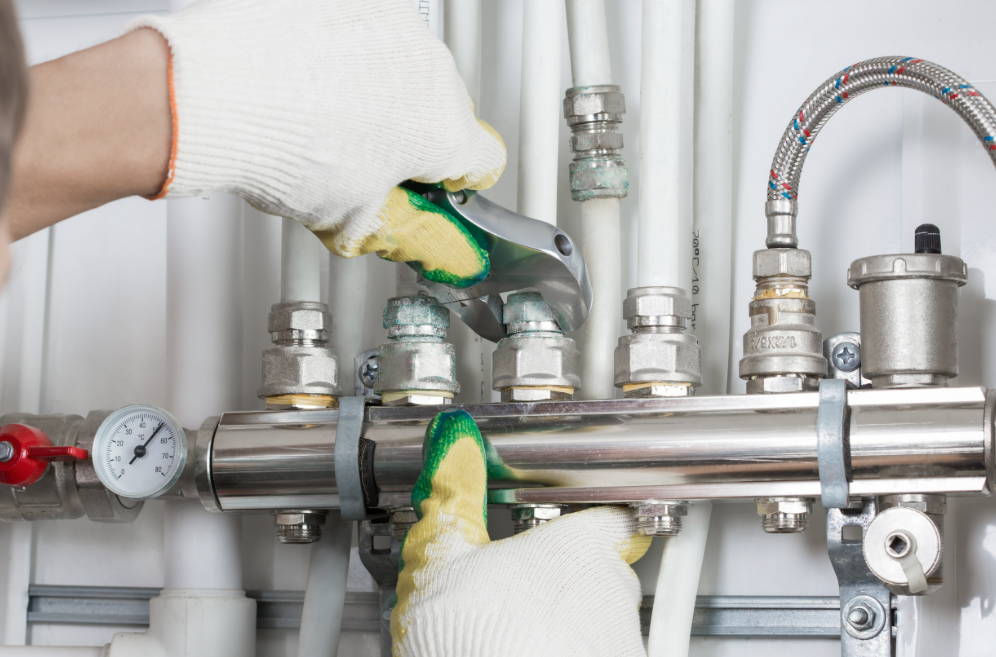
A systematic approach to installing plumbing systems begins with a precise assessment of needs, inventories of materials, layouts, and applicable codes. It then proceeds to plan rough-ins, fixture counts, and future access. Selection of pipes, fittings, and tools must align with project specifications, accompanied by dry runs to verify connections. After a careful rough-in and any trenching or insulation, rigorous leak testing and thorough documentation ensure long-term reliability and compliance, inviting careful consideration of the next steps.
How to Assess Your Home’s Plumbing Needs
Assessing a home’s plumbing needs begins with a systematic inventory of existing materials, configurations, and condition. The evaluation documents layout, water supply and drainage paths, fixture counts, and accessibility for future work.
Plumbing calculations determine load, peak demand, and sizing criteria. Pipe material costs are analyzed alongside compatibility, durability, and code compliance to create a precise, actionable modernization plan.
Choosing Pipes, Fittings, and Tools for Dry Runs
Selecting appropriate pipes, fittings, and tools for dry runs requires a disciplined alignment with the project’s verified specifications; this ensures that mock assemblies reflect anticipated operating conditions and permit accurate validation of layout, connections, and accessibility.
The discussion addresses pipe selection, fittings compatibility, tool ergonomics, and dry run benefits, emphasizing structured testing, documentation, and compliance while preserving professional autonomy and clarity for practitioners.
See also: Understanding the Core Concepts of Cryptocurrency
Step-by-Step Installation: From Rough-In to Leak Testing
To proceed from the previously chosen pipes, fittings, and tools, the procedure begins with a disciplined sequence: establishing achievable rough-in dimensions, securing material compatibility, and preparing the work area for installation.
Step-by-step, the installation verifies water pressure, ensures proper fixture placement, implements trenching layout, applies pipe insulation where required, and proceeds to leak testing with rigorous, code-compliant documentation and records.
Troubleshooting and Maintenance for Lasting Performance
Effective troubleshooting and ongoing maintenance ensure longevity and reliable performance of plumbing installations. The process identifies and records anomalies, schedules routine inspections, and implements corrective actions consistent with applicable codes. Air leakage detection, seal integrity, and pressure tests are prioritized.
Regular pipe insulation inspection reduces thermal loss, prevents condensation, and mitigates moisture-related deterioration, supporting lasting system efficiency and safer operation across climates.
Conclusion
A disciplined, code-compliant approach to plumbing ensures reliability and safety. The process unfolds from a precise assessment of needs to meticulous rough-ins, material selection, and tested connections, followed by documented leak testing and maintenance planning. As one contractor notes, “a well-traced map prevents a misstep at the riser,” illustrating how careful planning avoids costly rework. With consistent records and routine checks, systems remain resilient, efficient, and compliant, delivering dependable service across the home’s lifespan.